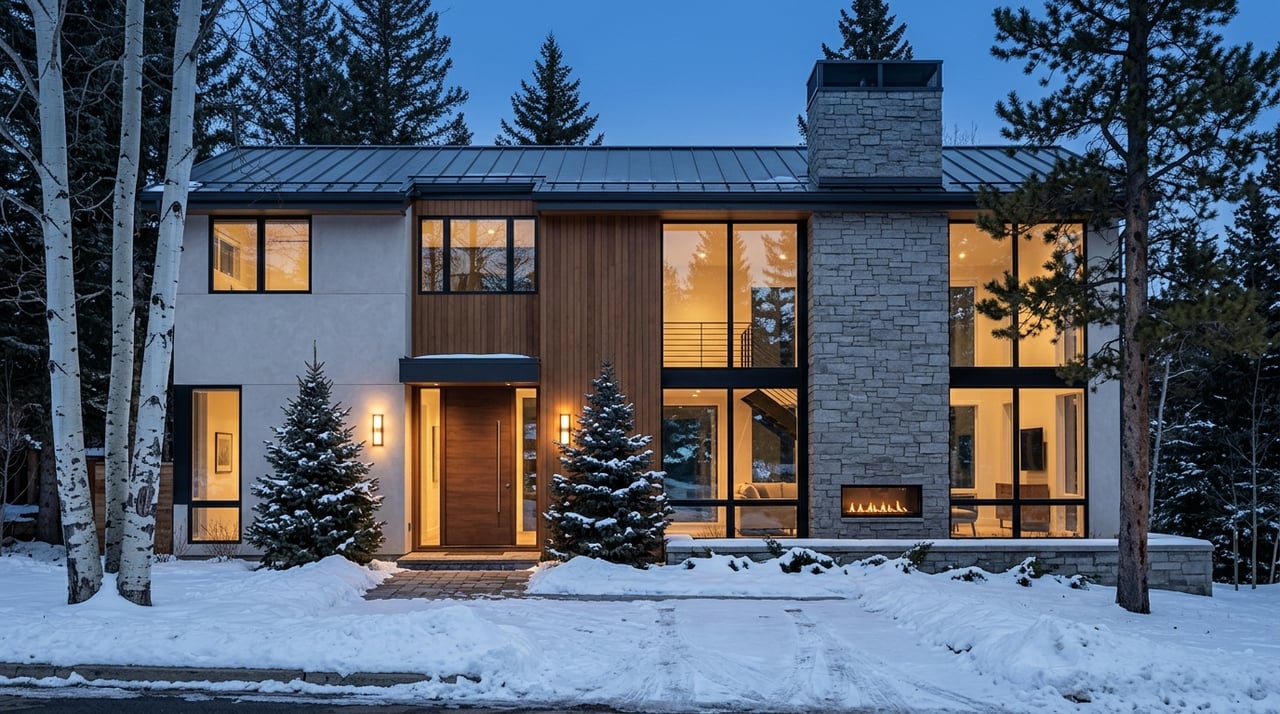
Wondering which Aspen neighborhood truly fits the way you want to live, not just the way a listing looks online? In Aspen, neighborhood choice shapes far more than your view or your address. It affects how easily you get into town, what you can change about a home, and how the property may perform over time. If you are narrowing a luxury home search, this guide will help you compare Aspen’s key areas with a clearer eye. Let’s dive in.
Why neighborhood choice matters in Aspen
Aspen is a small resort city of about 6,556 residents, framed by Aspen Mountain, Smuggler Mountain, and Red Mountain. That compact setting is part of its appeal, but it also means small differences in location can change your day-to-day experience in a big way.
In the luxury market, the right neighborhood is often about more than prestige. It can influence walkability, parking, access to trails and open space, transit options, privacy, wildfire planning, and whether a property falls under city or county jurisdiction. In some areas, it can also affect how flexible you can be with a remodel or exterior changes.
For many buyers, that is where a builder-informed perspective becomes useful. A beautiful home in the wrong setting, or a promising property with overlooked constraints, can create friction later. The goal is to match your lifestyle with the realities of the parcel, the rules, and the long-term value drivers.
Start with your daily priorities
Before you focus on finishes or square footage, it helps to define how you want Aspen to feel when you are actually living there. Some buyers want to walk to dinner, shops, and events with minimal driving. Others want more privacy, larger view corridors, and a quieter residential setting.
In Aspen, those tradeoffs are especially clear. The downtown core offers the most car-light lifestyle, while areas like East of Aspen and Red Mountain lean more private and lower density. West End often sits in the middle, with a central location and a more residential rhythm.
A practical first question is simple: do you want immediate access, or do you want a greater sense of separation? Once you answer that, the shortlist often becomes much easier to build.
Downtown core: maximum convenience
What downtown living feels like
Aspen’s downtown core is the city’s retail, restaurant, and transit hub. It also has the highest pedestrian activity and very high vehicle traffic, according to the city’s safety planning. If you want to step out your door and be in the middle of Aspen’s daily energy, this is the strongest fit.
For buyers who value convenience above all, downtown can be hard to beat. You are choosing immediate access to dining, shopping, events, and transportation, along with a location where city planning continues to focus more density in town and in the core.
What to expect from the housing stock
The downtown core blends 19th-century mining heritage and Victorian masonry with postwar AspenModern buildings. There are relatively few opportunities for new buildings in some areas, including the Main Street Character Area, which adds to the importance of understanding what already exists and what can realistically be improved.
That mix can create compelling ownership options, but it can also mean more complexity. In Aspen, not every property is a blank slate.
Key tradeoffs downtown
Parking is tightly managed in the core, with seasonal paid daytime parking, a four-hour limit, and no parking from 3 a.m. to 7 a.m. That matters if you expect frequent guests, multiple vehicles, or easy short-term access.
Historic review is another major consideration. Properties in the Aspen Main Street Historic District, the Commercial Core Historic District, or individually designated properties may be subject to historic preservation review for exterior work and, in some cases, interior work.
West End: historic character, quieter streets
Why buyers are drawn to West End
The West End is known as a quiet, tree-lined residential neighborhood bordered by the Aspen Meadows, the Aspen Institute, and the Wheeler/Stallard Museum campuses. It offers a more residential feel than downtown while still keeping you close to the core.
If you want classic Aspen character without being in the center of commercial activity, West End often stands out. Many buyers are drawn to its mature landscape, architectural pedigree, and established street pattern.
What makes the neighborhood distinct
The area is known for historic homes, especially Victorian and midcentury modern architecture. Mature cottonwoods, irrigation ditches, and open-yard patterns are also part of the neighborhood’s character, and city design guidelines say those elements should be respected in any project.
That helps explain why West End can feel so cohesive. Preservation here is not just about one home. It is about the broader streetscape and neighborhood pattern.
West End watch-outs
Historic preservation can support scarcity and long-term character, but it can also limit additions and exterior changes. If you are considering a major renovation, it is important to understand what may trigger review before you fall in love with a concept.
Traffic is also worth noting. The city has said that backups out of town can push traffic into the West End and create safety issues and disruptions, so even a quiet residential address can still be affected by broader Aspen traffic patterns.
East of Aspen: privacy with access to town
Understanding the area name and rules
Buyers often call this area East Aspen, but official planning materials more often label it East of Aspen, East End, or Cemetery Lane. That distinction matters because the Red Mountain and East of Aspen neighborhoods are placed in unincorporated Pitkin County within the Aspen Urban Growth Boundary, which means rules can vary parcel by parcel.
In practical terms, you should verify whether a property is under city or county jurisdiction before making assumptions about building, review, or future improvements. This is one of the most important checks in this part of the market.
Why buyers choose East of Aspen
The East of Aspen-Independence Pass planning framework emphasizes rural residential character, very low-density single-family homes, open space, and trail access. That gives the area a more residential and less urban feel than the downtown core.
This can be a strong fit if you want privacy and lower density without giving up reasonable access to Aspen. The city’s free shuttle serves the Cemetery Lane residential area, which is a meaningful benefit for owners who want easier trips into town.
What to think through carefully
East of Aspen tends to appeal to buyers who prioritize trail-oriented living, open space, and breathing room. At the same time, its more rural-edge conditions mean you should pay close attention to road access, wildfire exposure, and jurisdiction.
For some buyers, those are manageable tradeoffs. For others, they become central decision points, especially if future remodeling or site work is part of the plan.
Red Mountain: views, privacy, and complexity
Why Red Mountain commands attention
If your top priorities are dramatic views and privacy, Red Mountain is often the first neighborhood buyers consider. It feels more like a hillside estate setting than an in-town street grid, and its appeal is closely tied to view orientation, low-density character, and proximity to trails.
This is the part of Aspen where location can feel especially tied to long-term lifestyle value. The setting is distinct, and for many buyers, that is the point.
What the housing setting suggests
City historic preservation guidelines reference a modern chalet on Red Mountain Road and describe postwar homes with broad glazing and mountain-oriented facades. That points to a notable midcentury-to-contemporary architectural layer in the area.
From a buyer’s standpoint, that can mean striking design opportunities. It can also mean taking a close look at slope, structure, access, and what future changes may require.
The practical side of Red Mountain
Pitkin County’s wildfire plan says the Red Mountain neighborhoods have only one way in and one way out. That makes access and evacuation planning especially important, and it should be part of your evaluation, not an afterthought.
Buyers should also budget for slope-related complexity, wildfire mitigation, and potentially more involved remodel or rebuild work. Aspen’s wildfire rules now apply to new permits submitted after April 23, 2026, which adds another important layer for planning future work.
A simple way to narrow your shortlist
If you are deciding between these areas, it often helps to match each one to your highest-priority outcome.
- Choose downtown core if you want maximum walkability, the most car-light lifestyle, and immediate access to restaurants, shopping, events, and transit.
- Choose West End if you want classic Aspen architecture, mature landscaping, and a quieter residential setting close to downtown.
- Choose East of Aspen if you want lower density, more privacy, trail access, and a more residential atmosphere outside the core.
- Choose Red Mountain if you want the strongest view-and-privacy premium and are comfortable with access and wildfire considerations.
This kind of filtering can save time quickly. Instead of comparing every luxury listing against every other, you start by choosing the setting that best supports the way you want to live.
Questions to answer before you write an offer
In Aspen, a luxury home search should include more than architecture and finishes. Before you move forward, it is smart to confirm a few property-specific items that can affect both use and value.
Here is a practical checklist:
- Whether the parcel is under city or county jurisdiction
- Whether the property is in a historic district or individually designated
- Whether planned improvements could trigger historic, building, or wildfire review
- How parking works for daily use and guests
- Whether shuttle access supports your routine
- What access and evacuation routes look like for the property
These are not small details in Aspen. They can shape remodeling feasibility, ownership convenience, and buyer confidence at resale.
Why a builder-broker view matters here
Aspen luxury real estate is rarely just about location on a map. It is also about what the site allows, what the home needs, and how much effort and cost may sit behind a future vision.
That is why neighborhood selection and property selection should work together. A home in the right area still needs to make sense in terms of quality, hidden risk, timing, and likely improvement scope.
At Hendrickson Group Aspen, that is where the conversation tends to be different. A builder-led perspective can help you look beyond surface appeal and evaluate how a property may actually perform for your lifestyle, your timeline, and your long-term plans.
If you are weighing Aspen neighborhoods and want a grounded view of location, construction reality, and value, Hendrickson Construction Inc can help you sort through the options with clarity.
FAQs
What is the best Aspen neighborhood for walkability in a luxury home search?
- The downtown core is generally the best fit if you want maximum walkability, easy access to restaurants and shops, and a more car-light daily routine.
What makes West End appealing for Aspen luxury buyers?
- West End appeals to buyers who want historic character, mature landscaping, and a quieter residential feel that still stays close to central Aspen.
What should buyers know about East of Aspen jurisdiction?
- In East of Aspen, some parcels are in unincorporated Pitkin County within the Aspen Urban Growth Boundary, so you should verify city-versus-county rules property by property.
Why is Red Mountain different from other Aspen neighborhoods?
- Red Mountain stands out for privacy, hillside estate settings, dramatic views, and trail proximity, but it also requires careful review of access, slope, and wildfire considerations.
What should luxury buyers check before making an offer in Aspen?
- Buyers should confirm jurisdiction, historic designation status, potential review triggers for improvements, parking conditions, shuttle access, and evacuation routes before writing an offer.