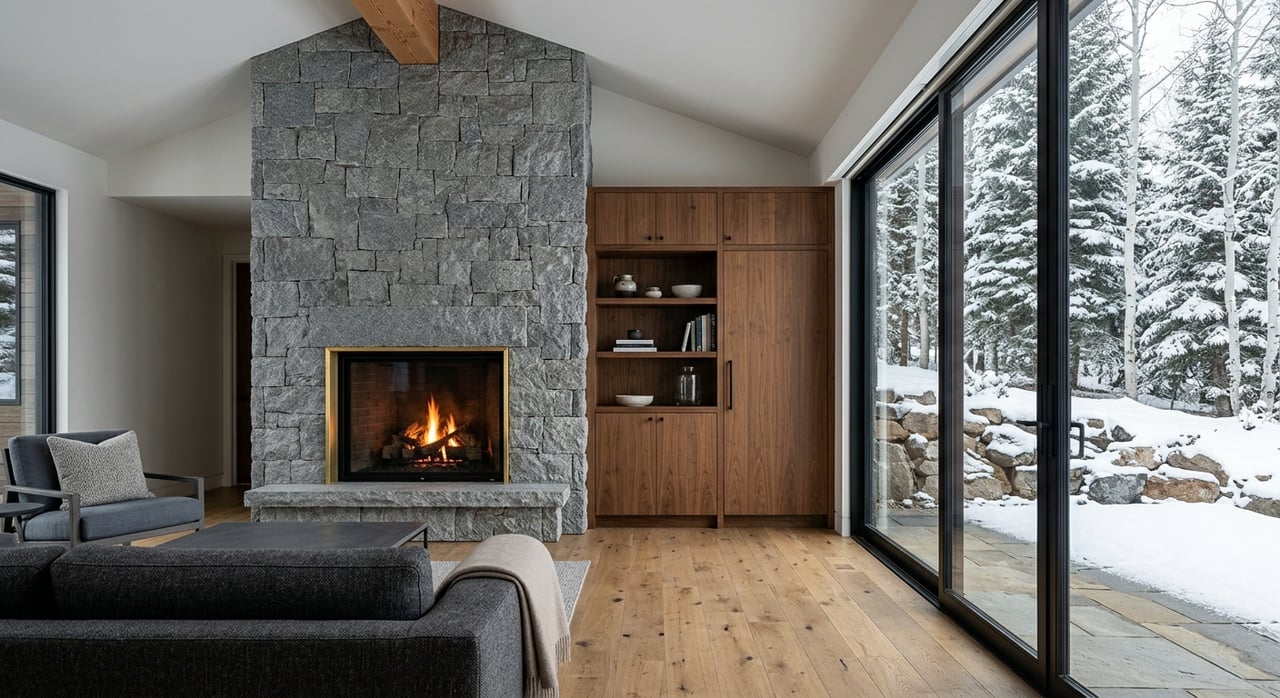
Buying in Aspen can feel straightforward until you look past the finishes. A home may show beautifully, but permit history, mountain-site hazards, code era, and remodel feasibility can change the true cost of ownership in a big way. If you want to protect your downside and make a more confident luxury purchase, construction insight gives you a clearer lens. Let’s dive in.
Why construction insight matters in Aspen
Aspen is not a simple building environment. The City of Aspen uses the 2021 International Codes with local energy and building amendments for city permits submitted after March 31, 2023, and the city’s published design criteria include a 100 psf ground snow load, 36-inch frost depth, and an ice-shield underlayment requirement.
That matters because code requirements affect what is legal, what may need upgrading, and what can become expensive after closing. In unincorporated Pitkin County, the rules can differ again, including the county’s use of the 2021 IBC series and its Wildfire Resiliency Code for permit applications submitted on or after May 2, 2026.
For you as a buyer, that means jurisdiction is not a small detail. A property inside Aspen city limits can present a very different remodel path than a similar-looking home in unincorporated Pitkin County.
Look beyond beauty and views
Luxury buyers are often shown exceptional design, polished finishes, and dramatic view corridors. Those features matter, but in Aspen they are only part of the picture.
Pitkin County maintains public hazard and mapping resources that include floodplain, wildlife, wildfire, slope, avalanche, and other geologic-hazard layers. The county’s avalanche guidance notes that avalanches are most common on 30 to 45 degree slopes, and it identifies some local areas, including Castle Creek Road between miles 3 and 4, as potentially high risk in winter.
A builder-minded approach helps you evaluate the whole asset, not just the visible home. Site access, slope behavior, drainage, snow management, and surrounding exposure can all affect future cost, timing, and usability.
What to verify before you write an offer
Before you commit to an Aspen luxury property, it helps to confirm the facts that do not show up in listing photos. Construction insight is most valuable when it sharpens your diligence early, before pricing and terms are locked in.
Pitkin County’s assessor and records systems can help confirm ownership, mapped improvements, legal descriptions, and property value. The county recording office documents deeds, deeds of trust, mechanic’s liens, subdivision plats, and other real-property records.
Within Aspen, the building department’s permit portal and public-records tools can help you check whether prior work was permitted, whether inspections were completed, and whether a Certificate of Occupancy was issued after final inspections and sign-off. That can be critical when a house has been remodeled more than once over several decades.
Key questions to answer early
- Was the work permitted, inspected, and closed?
- Was a Certificate of Occupancy issued after final sign-off where required?
- Which improvements were cosmetic, and which were true system-level upgrades?
- Does the site fall within any wildfire, avalanche, floodplain, slope, geologic-hazard, or historic-related overlay?
- If you plan to improve the home, which jurisdiction controls the permitting path?
These are not small administrative details. They are often the difference between a smooth closing and a long list of unexpected costs.
Cosmetic updates versus real upgrades
One of the biggest risks in luxury real estate is confusing a polished remodel with a meaningful one. New stone, cabinetry, lighting, and furnishings can create a strong first impression, but they do not necessarily mean the roof, waterproofing, windows, mechanical systems, or drainage have been modernized.
In Aspen, that distinction matters because the environment is demanding. Heavy snow loads, freeze-thaw cycles, and weather exposure can put unusual stress on roofs, envelopes, and exterior systems.
A construction-informed buyer is better positioned to ask the right follow-up questions. If the home was renovated, you want to know whether the work addressed structure and systems or simply refreshed the visual presentation.
Red flags a builder-minded buyer may catch
Construction knowledge does not replace inspections or formal diligence. What it does is help you spot issues sooner and understand what they may mean.
In Aspen, roof details, drainage paths, snow-shedding patterns, envelope performance, and site water management deserve close attention. A home can look turnkey while still carrying risk tied to deferred maintenance or incomplete prior work.
Aspen Fire states that wildfire mitigation assessments look at construction inside and out, vegetation, and surrounding topography. The district also offers free chipping for brush and small trees to help create defensible space.
Pitkin County’s GIS resources also include avalanche and geologic hazards, while county emergency management lists wildfires, floods, avalanches, severe weather, and hazardous materials among the incidents it coordinates. For you, that means exterior materials, retaining walls, driveway access, slope drainage, and surrounding terrain are all worth evaluating with care.
Common red flags to notice
- A recent cosmetic remodel with little evidence of system upgrades
- Open or unclear permit history
- Exterior details that do not appear suited to heavy snow and water management
- Challenging site access or steep terrain that may affect winter use or future work
- Signs that drainage, retaining, or slope conditions could create future maintenance costs
- Assumptions about rental use without confirming local permit requirements
Timing and budgeting are part of risk management
In Aspen, construction timing is not just a planning issue. It can directly affect your budget, carrying costs, and move-in expectations.
As of December 2025, Aspen’s published building timelines estimated 16 to 18 weeks for major residential permit review, 16 to 18 weeks for major change orders, and 8 to 10 weeks for simple change orders, with final review and issuance adding additional time. The city also notes that a Certificate of Occupancy is issued only after final inspections are completed and the Chief Building Official signs off.
If you are buying with plans to renovate before occupancy, these timelines matter. They can influence temporary housing needs, financing assumptions, seasonal scheduling, and the practical cost of waiting.
Why this protects you financially
A builder-broker lens helps you underwrite the property more realistically. Instead of assuming every update is fast and manageable, you can weigh likely timing, probable upgrade categories, and how code or site conditions may affect scope.
That often leads to better pricing discipline. It can also help you avoid overpaying for a home that looks complete but still needs significant work to match your goals.
Historic and planning constraints can shape your options
Older Aspen homes can carry another layer of complexity. Aspen maintains historic-preservation design guidelines and an inventory of historic sites and structures, which means exterior changes or additions may not be as straightforward as they first appear.
Aspen’s Planning and Zoning staff also state that their guidance is advisory only and not binding. In practical terms, that means informal conversations are useful, but they should not be treated as final diligence.
If you are buying for expansion potential or a major redesign, it is wise to treat entitlement questions carefully. A property’s charm and location may be obvious, but its future flexibility may be less so.
If rental income matters, verify the use case
Some buyers underwrite part of the purchase around rental flexibility. In Aspen, that assumption should always be checked before closing.
Aspen defines a short-term rental as use for fewer than 30 days and requires a permit and local licensing before operation. Permits renew annually, are non-transferable, and the city distinguishes between property types and zone districts.
The city also states that if a residence is within Aspen city limits, only the city permit is needed, while residences outside city limits need a Pitkin County permit. A home may appear turnkey or may have been rented in the past, but that does not mean your intended use is automatically available going forward.
Why this approach fits Aspen luxury buying
In a market like Aspen, value is tied to more than address and architecture. It is also shaped by code era, permit history, site exposure, hazard mapping, remodel feasibility, and the real time required to improve a property.
That is why construction insight can be such a strong advantage for luxury buyers. It helps connect the visible home to the invisible risk stack.
When you understand both, you are in a better position to negotiate thoughtfully, budget accurately, and choose a property that supports your long-term goals. If you want a builder-informed perspective on buying, improving, or evaluating an Aspen property, connect with Hendrickson Construction Inc.
FAQs
What does construction insight mean for Aspen luxury buyers?
- It means evaluating more than finishes and layout by also reviewing permit history, code era, site conditions, hazard exposure, and likely remodel complexity before you commit.
Why do Aspen permit records matter when buying a home?
- Permit records can help you verify whether prior work was permitted, inspected, and closed, and whether a Certificate of Occupancy was issued after final sign-off when required.
How do Aspen and Pitkin County rules affect a remodel?
- The governing jurisdiction can change code requirements, wildfire-related standards, approval paths, and the likely cost and timing of improvements.
What property hazards should Aspen buyers check?
- Buyers should review relevant public mapping and diligence for issues such as floodplain, wildfire, avalanche, slope, and other geologic-hazard conditions, along with practical site access and drainage considerations.
Can a remodeled Aspen home still carry hidden risk?
- Yes. A home can look updated while still having open permits, older systems, drainage issues, or incomplete work that was cosmetic rather than structural or system-level.
What should buyers know about Aspen short-term rental eligibility?
- Aspen short-term rentals are stays of fewer than 30 days and require a permit and local licensing, with annual renewal and non-transferable permits, so buyers should confirm the intended use before closing.